Open Air in Trentino: quality that generates value
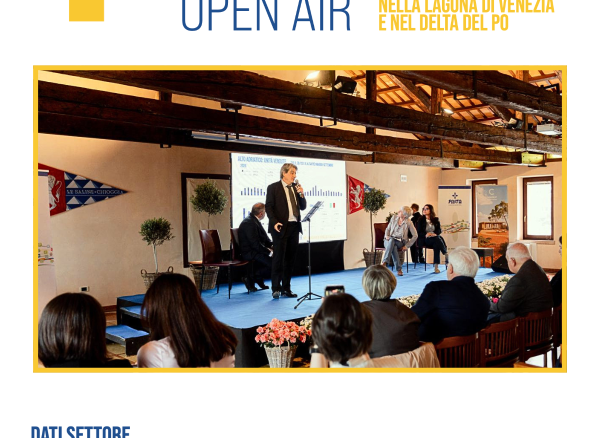
On 4 February, at Hospitality – The Reception Exhibition in Riva del Garda, the conference was held ‘Outdoor tourism: challenges and opportunities in the evolution from quantity to quality, useful for mapping the strategic transformation of the open-air sector.
The debate has considered various analytical lenses to offer a comprehensive view of the sector:
- Economic stability (Source: UniTN and CISET – Ca’ Foscari).
As highlighted in the Camping Business report, Trentino is a model of efficiency: EBITDA accounts for 6.6% of the national total, a performance more than double its share of revenue. A solidity that allows businesses to constantly invest in product and process innovation.
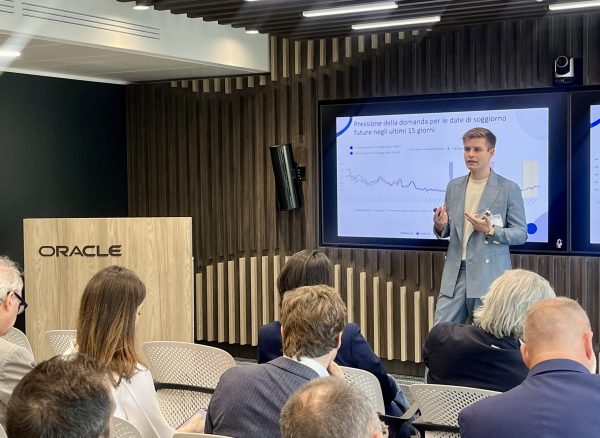
- The analysis of flows and markets (Source: HBenchmark).
Our platform's data completes the picture, offering a precise snapshot of employment and origin trends:
- Growing employmentThe average occupancy rose from 56% to 63% in the last season, with positive prospects also for 2026
- Focus GermanyThe target market is confirmed, especially for lakeside facilities between April and September, where German clientele reaches peaks of 44.2% of total occupancy.
- The dynamism of Poland: The data shows the constant growth of the Polish market, an increasingly central target for Trentino's open-air tourism, thanks to a strong propensity for active holidays.
Conflicting visions
The conference, organised by FAITA Federcamping, was attended by:
- Valeria Minghetti (CISET – Ca’ Foscari) and Professor Michele Andreaus (University of Trento), who reiterated the importance of rigorous data-based planning.
- Alberto Granzotto (President of FAITA) and Fabio Poletti (President of FAITA Trentino), focused on sustainability as an economic asset.
- The Councillor for Tourism of the Autonomous Province of Trento, Roberto Failoni, who confirmed the sector's role as a pillar of Trentino tourism.
For HBenchmark, it was a pleasure to participate in this important moment of synthesis by making our analytical tools available, which, together with the studies presented by other experts, offer a useful informational basis for guiding strategic choices towards 2030.